Source Natural Momordica Charantia Extract for Food, Capsules, and Supplements
Find 30 listings for natural momordica charantia extract from Chinese suppliers. Compare specifications like 1%-25% anthocyanidins and 10:1 ratios, certifications including HACCP and ISO, and packaging options for food and health care applications.
Key considerations
Products List








Comprehensive Sourcing Guide
Strategic Sourcing Guide for Natural Momordica Charantia Extract
Procuring natural Momordica charantia extract, commonly known as bitter melon extract, requires a disciplined approach that balances botanical specificity with rigorous supply chain verification. This guide synthesizes available market data to assist procurement professionals in navigating the complexities of sourcing this functional ingredient. The focus remains on evidence-based criteria, ensuring that decisions are grounded in observable product attributes and verified compliance standards rather than unverified marketing claims.
Technical Specifications and Botanical Identity
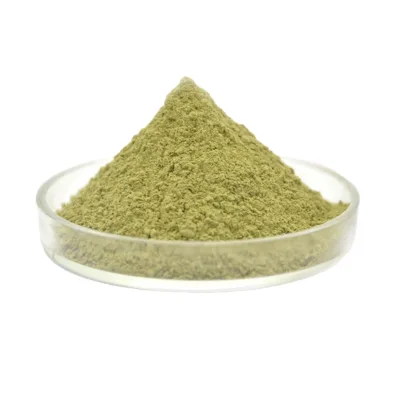
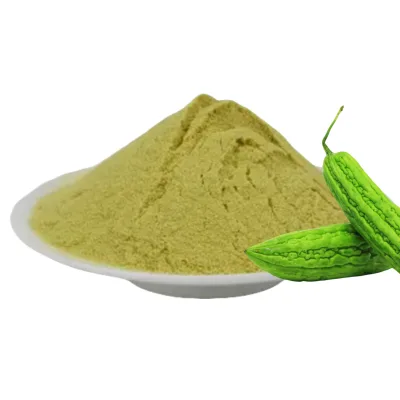
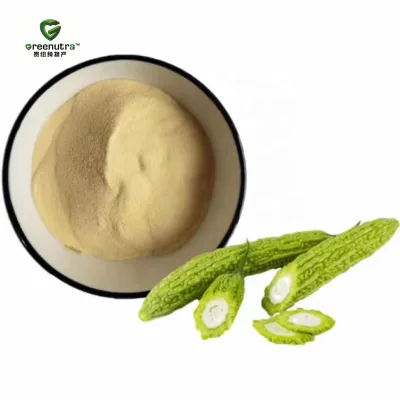
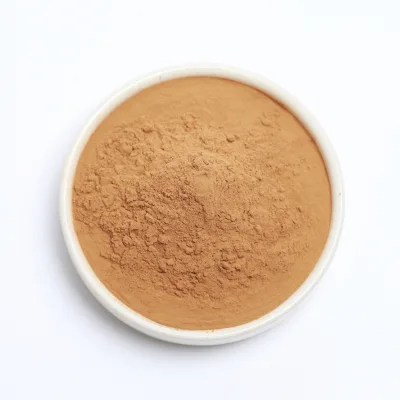
The foundational step in sourcing Momordica charantia extract is the precise definition of technical specifications. The raw material is derived from Momordica charantia Linn., a plant source that must be clearly identified to ensure botanical authenticity. Market observations indicate that the extract typically presents as a brown powder or brown fine powder, a physical characteristic that serves as an initial visual indicator of quality and processing consistency.
A critical differentiator in this category is the concentration of active substances. Sourcing data reveals a wide variance in potency, with observed ranges including 1%-10% charantin, 10%-40% saponins, and 1%-25% anthocyanidins. Furthermore, specific product models are listed with active substance contents ranging from 61% to 90%, and in some instances exceeding 90%. Buyers must explicitly define their required assay range, as the functional efficacy of the extract is directly tied to these concentrations. The standard extraction ratios observed in the market include 10:1, indicating the amount of raw material required to produce one unit of extract. Additionally, moisture content is a vital quality parameter, with observed specifications capping moisture at 10% maximum to prevent microbial growth and ensure stability during storage. Fat content is similarly controlled, with a maximum limit of 1% observed in certain grades.
Compliance Framework and Certification Verification
In the global food and health supplement supply chain, compliance is non-negotiable. Verified product data confirms that reputable suppliers of Momordica charantia extract typically hold a suite of certifications including HACCP, FDA, ISO, and BRC. These certifications are not merely administrative; they represent adherence to specific safety and quality management systems. The presence of ISO and HACCP certifications suggests a facility capable of maintaining rigorous hygiene and hazard analysis protocols, while FDA registration indicates compliance with United States regulatory standards for food additives.
When evaluating potential suppliers, procurement teams should verify the specific scope of these certifications. For instance, while ISO is a broad standard, the specific application to food safety (often implied by HACCP) is crucial. The data also notes the presence of BRC certification, which is a globally recognized standard for food safety. Buyers should request current, valid certificates from the supplier and cross-reference them with the issuing bodies to ensure they have not expired. It is important to note that while some background data mentions ISO9001 or ISO22000, these should be treated as background context rather than guaranteed attributes for every listed product. The primary verification should focus on the confirmed certifications: HACCP, FDA, ISO, and BRC.
Cost Drivers and Economic Parameters
Understanding the cost structure of Momordica charantia extract is essential for budgeting and negotiation. The observed price range in the market is extensive, spanning from $0.80 to $6,500 USD. This significant variance is driven by multiple factors, including the concentration of active ingredients, the purity of the extract, the packaging format, and the order volume. High-potency extracts with active substance contents exceeding 90% or those with specific standardized ratios like 10:1 will naturally command a higher price point compared to lower concentration powders.
Order volume is another primary cost driver. The minimum order quantity (MOQ) observed in the market ranges from 1 unit to 5,000 units, with specific bulk orders noted at 25 metric tons. Larger orders typically benefit from economies of scale, reducing the unit cost. However, the MOQ must be balanced against the buyer's inventory capacity and cash flow. Payment terms also influence the effective cost of procurement. Standard terms observed include a 50% TT (Telegraphic Transfer) in advance and a 50% TT against the copy of the Bill of Lading. This structure requires the buyer to have sufficient liquidity to cover the initial deposit while mitigating risk through the balance payment mechanism.
Typical Applications and Functional Usage
The functional profile of Momordica charantia extract positions it as a versatile ingredient across several industries. The primary application areas identified are food products and health care products. The extract is recognized for its antioxidant properties, making it a valuable addition to formulations aimed at promoting cellular health and reducing oxidative stress. The nutrient composition often includes protein and vitamins, further enhancing its value in nutritional supplements.
The physical form of the extract, specifically the brown powder, makes it suitable for various application forms. Data indicates that the extract is compatible with suppository and capsule formulations. This versatility allows manufacturers to integrate the ingredient into diverse product lines, from dietary supplements to functional foods. The specification "Food Grade" confirms its suitability for direct consumption in food applications. When selecting a supplier, buyers should ensure that the specific batch of extract aligns with their intended application, particularly regarding the assay method. High-performance liquid chromatography (HPLC) is the standard assay method mentioned for verifying the content of active substances, ensuring that the claimed potency is accurate for the specific end-use.
Supplier Evaluation and Operational Logistics
Evaluating suppliers requires a look beyond the product itself to the operational capabilities of the vendor. Geographic origin is a key factor, with the majority of observed products originating from China or the Chinese Mainland. This concentration suggests a mature supply chain for this specific botanical, but it also necessitates careful logistics planning. The loading port for shipments is frequently identified as Xingang Port in Tianjin, a major hub that influences transit times and shipping costs.
Lead times are a critical component of supplier evaluation. Observed delivery times can be as short as within 7 days after receiving the order, which indicates a high level of readiness for stock items. However, buyers must distinguish between standard stock availability and custom production runs. Customization is noted as available, which may extend lead times depending on the complexity of the request. Storage requirements are also vital; the product should be stored in a cool, dry place, protected from environmental factors to maintain its shelf life, which is observed to be greater than 12 months. Packaging materials vary, with options including plastic bags and paper drums, often standardized at 20kg or 25kg per unit. The choice of packaging affects both the protection of the product and the efficiency of handling during transport.
Quality Control and Long-Term Procurement Strategy
Establishing a robust quality control (QC) protocol is essential for maintaining product integrity over the long term. The presence of specific chemical markers, such as charantin and saponins, must be verified through independent testing. The HPLC assay method is the industry standard for this verification. Buyers should insist on a Certificate of Analysis (CoA) for every shipment, which must detail the moisture content (max 10%), fat content (max 1%), and the exact percentage of active substances.
For long-term procurement, consistency is paramount. The market shows a variety of product models, from "Natural Herb Plant Extract" to specific "Food Additive" classifications. To mitigate the risk of supply chain disruption, buyers should develop relationships with suppliers who demonstrate flexibility in customization and have a proven track record of meeting the 10:1 extraction standard or other specific ratios. It is also advisable to conduct periodic audits of the supplier's facilities to ensure that their HACCP and ISO certifications remain valid and that their production processes have not deviated from the agreed-upon specifications.
The following table summarizes key comparison points for evaluating different Momordica charantia extract options based on observed market data:
| Attribute | Observation Range / Standard | Verification Requirement |
|---|---|---|
| Active Substance Content | 1%-10% Charantin; 10%-40% Saponins; >90% Total | Request CoA with HPLC results |
| Appearance | Brown Powder / Brown Fine Powder | Visual inspection upon receipt |
| Moisture Content | Max 10% | Verify in CoA |
| Certifications | HACCP, FDA, ISO, BRC | Check validity dates and scope |
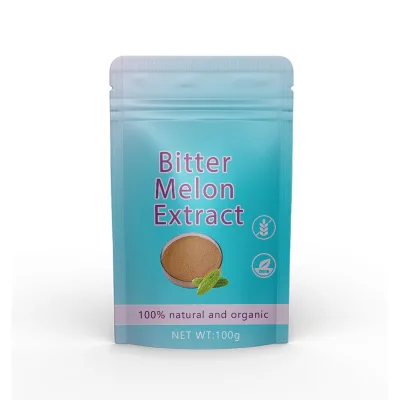
| Packaging | 20kg/Bag, 25kg/Drum (Plastic/Paper) | Confirm packaging integrity |
| Origin | China / Chinese Mainland | Verify country of origin on docs |
| Lead Time | Within 7 Days (Stock) | Confirm current stock status |
In conclusion, sourcing natural Momordica charantia extract requires a meticulous approach that prioritizes technical specifications, verified certifications, and clear communication regarding logistics and quality control. By adhering to the observed standards and avoiding unverified claims, buyers can secure a reliable supply of high-quality extract that meets the rigorous demands of the food and health care industries. The diversity in product specifications offers flexibility, but it also demands that procurement teams remain vigilant in their due diligence to ensure that the final product aligns with their specific formulation needs and regulatory requirements.
FAQs
What certifications do natural momordica charantia extract suppliers typically hold?
Suppliers typically hold HACCP, FDA, ISO, and BRC certifications. These credentials verify adherence to safety and quality management systems required for food and health care products.
How is the active substance content defined in bitter melon extract?
Active substance content varies widely, ranging from 1% to over 90% depending on the specific product model. Common markers include charantin, saponins, and anthocyanidins verified by HPLC assay methods.
Can I customize the packaging for natural momordica charantia extract orders?
Customization is available for packaging requirements. Standard options include 20kg bags or 25kg drums made of plastic or paper, but specific requests can be accommodated by the manufacturer.
What is the typical lead time for delivering natural momordica charantia extract?
Delivery can occur within 7 days after receiving the order for stock items. Custom production runs may require additional time depending on the specific extraction ratio and volume requested.
Which storage conditions are required for natural momordica charantia extract?
The extract must be stored in a cool, dry place protected from environmental factors. Proper storage ensures the shelf life exceeds 12 months and maintains product stability.
What is the minimum order quantity for natural momordica charantia extract?
Minimum order quantities range from 1 unit up to 5000 units, with some bulk orders starting at 25 metric tons. The specific MOQ depends on the supplier and product configuration.
Where are natural momordica charantia extract products typically sourced from?
Products are primarily sourced from China or the Chinese Mainland. The loading port is frequently identified as Xingang Port in Tianjin for international shipments.